Windows, doors and curtain walls are not something you pick from a catalogue. A mistake does not show on day one — it shows in the first winter: condensation on the frame, drafts, a sticking handle. Replacing them costs more than the windows themselves.
So before offering aluminum systems from China to our clients, I wanted to see with my own eyes who makes them and how.
Eight factories — one choice
I first visited APRO in 2024. In total I looked at eight large aluminum window and façade manufacturers in China. They all have good showrooms and talk about "European quality". The difference shows when you ask awkward questions. I looked at four things:
- which market the factory works for — domestic China or export;
- whether it understands cold climates;
- which hardware actually goes into the product, not just the catalogue;
- what the factory is prepared to guarantee in writing.
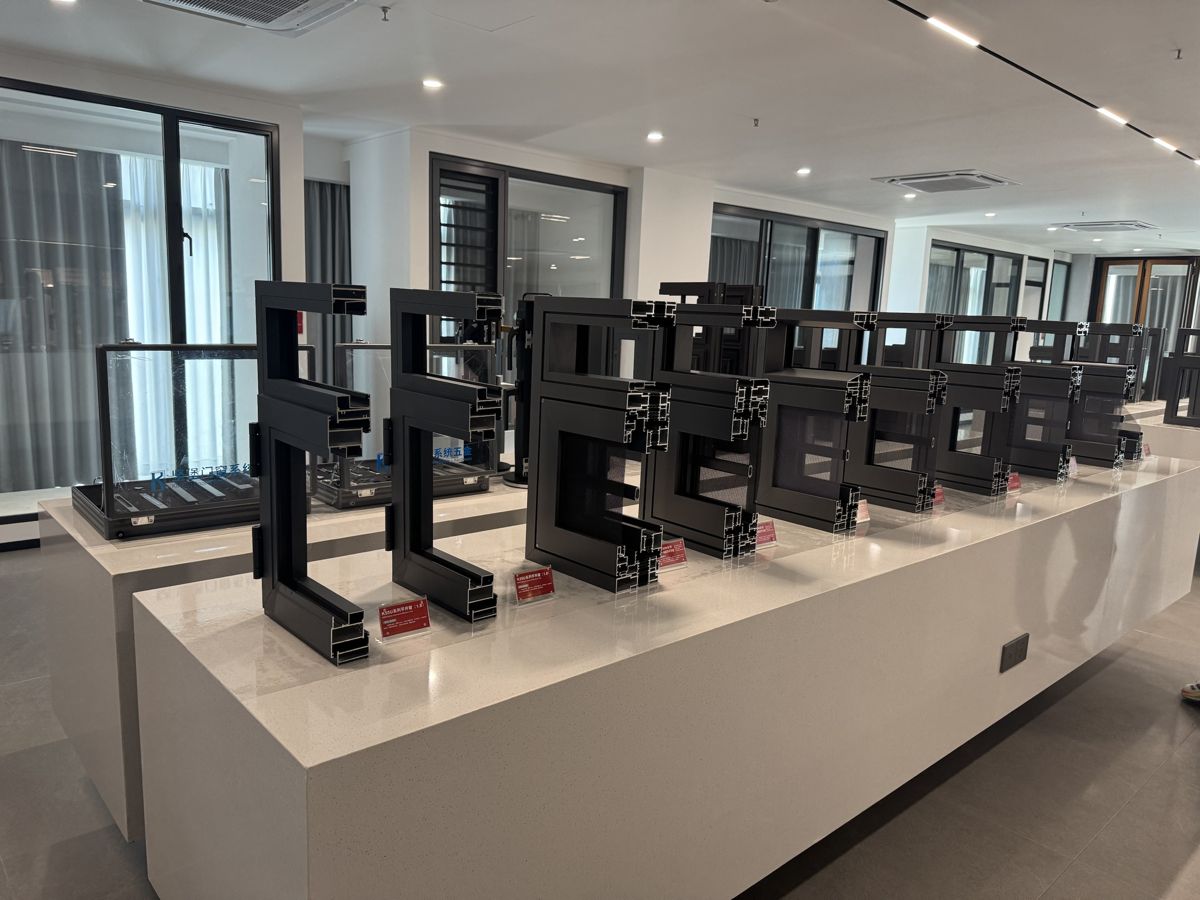
1. 95% of output is exported
APRO's main market is not China but the world: about 95% of its output is exported. For me that was the key argument. A factory supplying the U.S., Canada, Australia and the Middle East works to other people's standards: products are tested, and a claim from an overseas client is expensive.
The paperwork shows it: APRO systems are tested to the North American NAFS standard, carry NFRC energy ratings, CSA certification for Canada and meet Australia's AS2047.
2. They understand cold
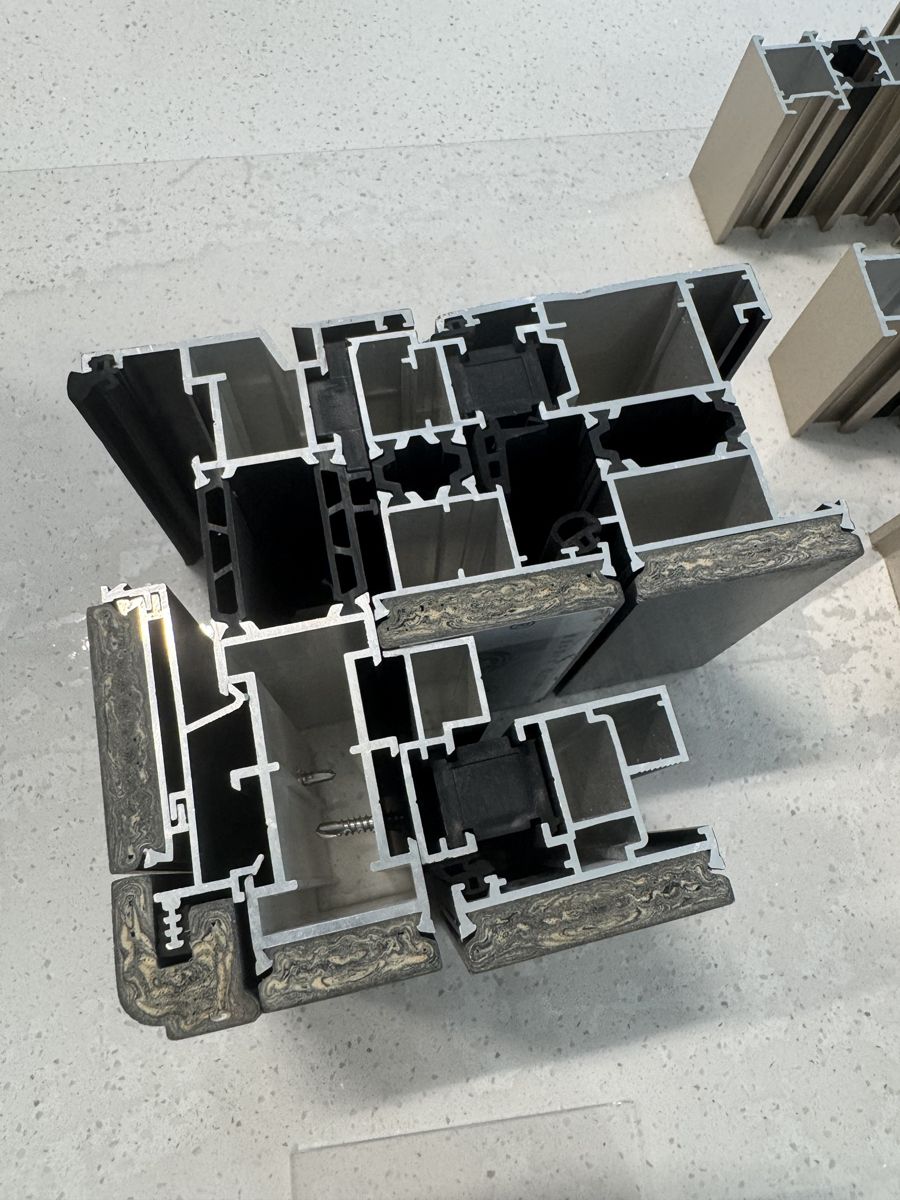
I live on Sakhalin, in Russia's Far East, so this was question number one. Aluminum conducts heat well; without a proper thermal break the frame freezes in winter and collects condensation and ice.
A factory making windows only for warm regions simply has no such task. APRO works both for the Middle East, where a window has to handle heat and sun, and for Canada, with its frost and wind. Thermal breaks, low-E argon glazing, seals and behaviour under temperature swings are everyday questions for them — they knew what I meant.
3. German hardware
A window lasts as long as its hardware. APRO uses German GU and Roto hardware. Since it happens that showrooms display German samples while batches get cheaper copies, we write the hardware brand into the contract specification and check it during production and before shipment.
4. One of the longest warranties
- 10 years — profile and finish;
- 10 years — insulated glass (seal failure);
- 10 years — hardware, 50,000+ cycles;
- up to 15 years — sealants and gaskets.
The condition: materials and specs are approved before production. To me a long warranty is not marketing but a signal that the factory stands behind its product.
Test rig and packing
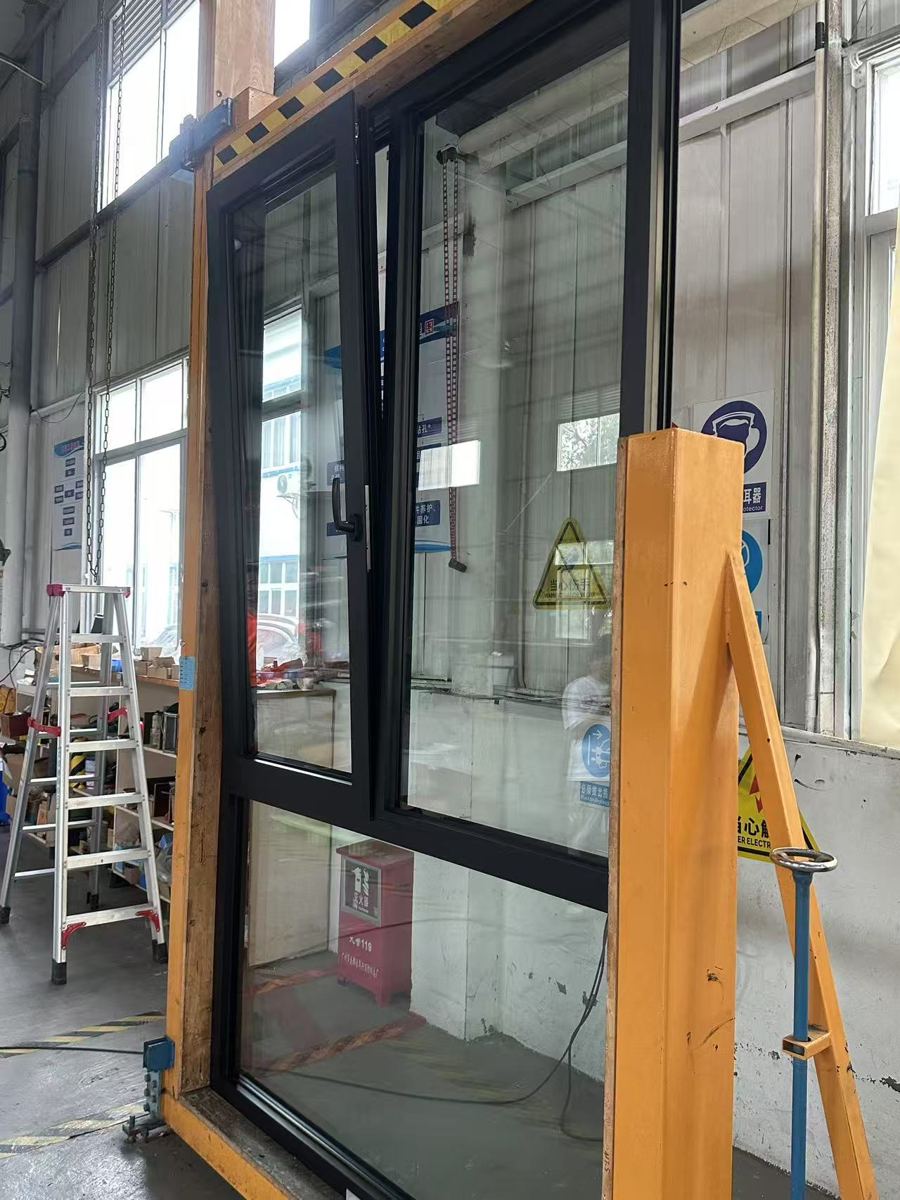
Another thing I saw at the factory, and every delivery since has confirmed, is how seriously they take checks and packing. Finished units are tested on a rig before shipment: how the sashes open and close, how the hardware works, how the seals fit. Defects are caught in the workshop, not on your site.
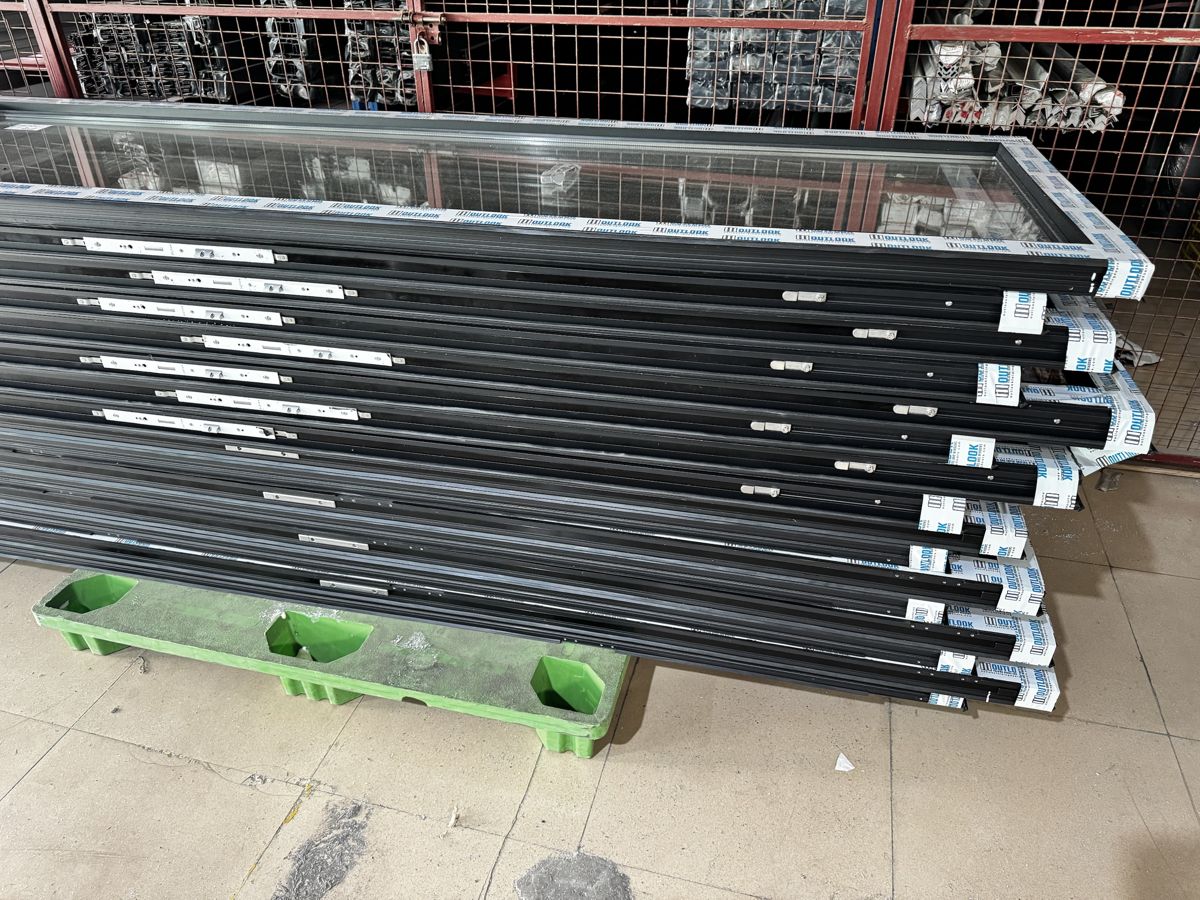
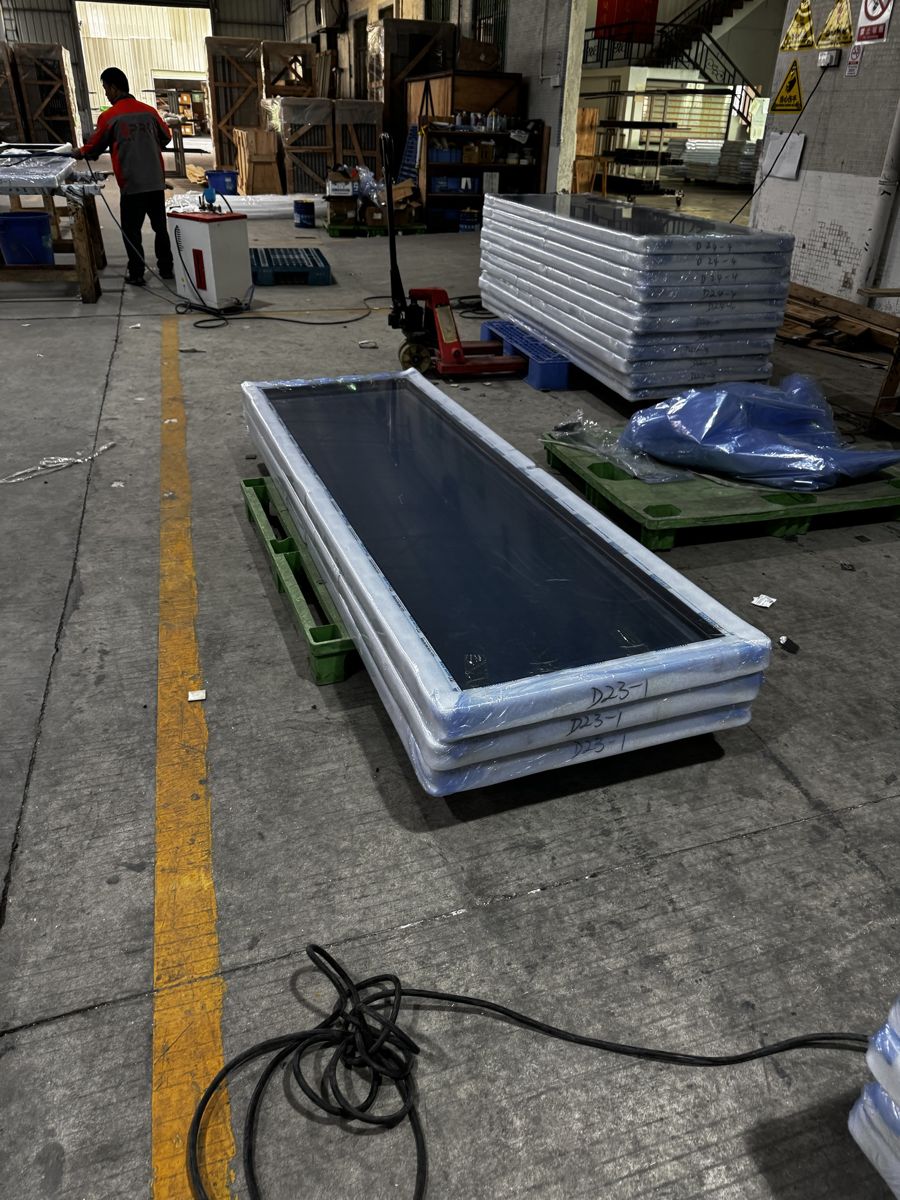
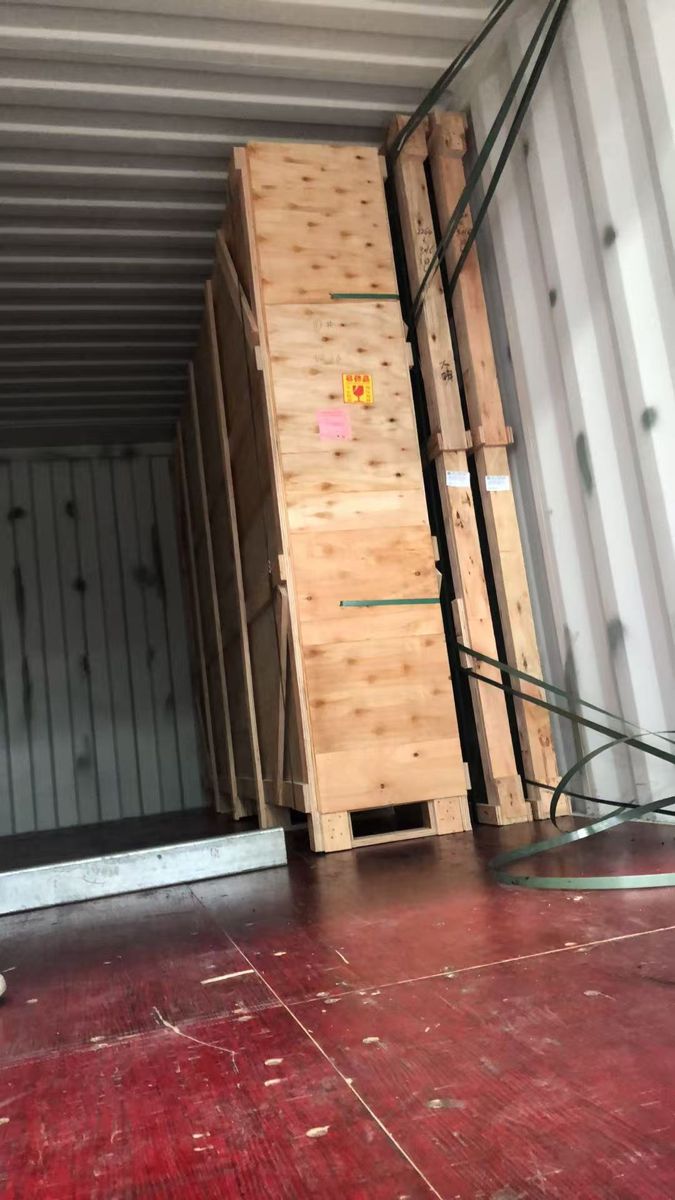
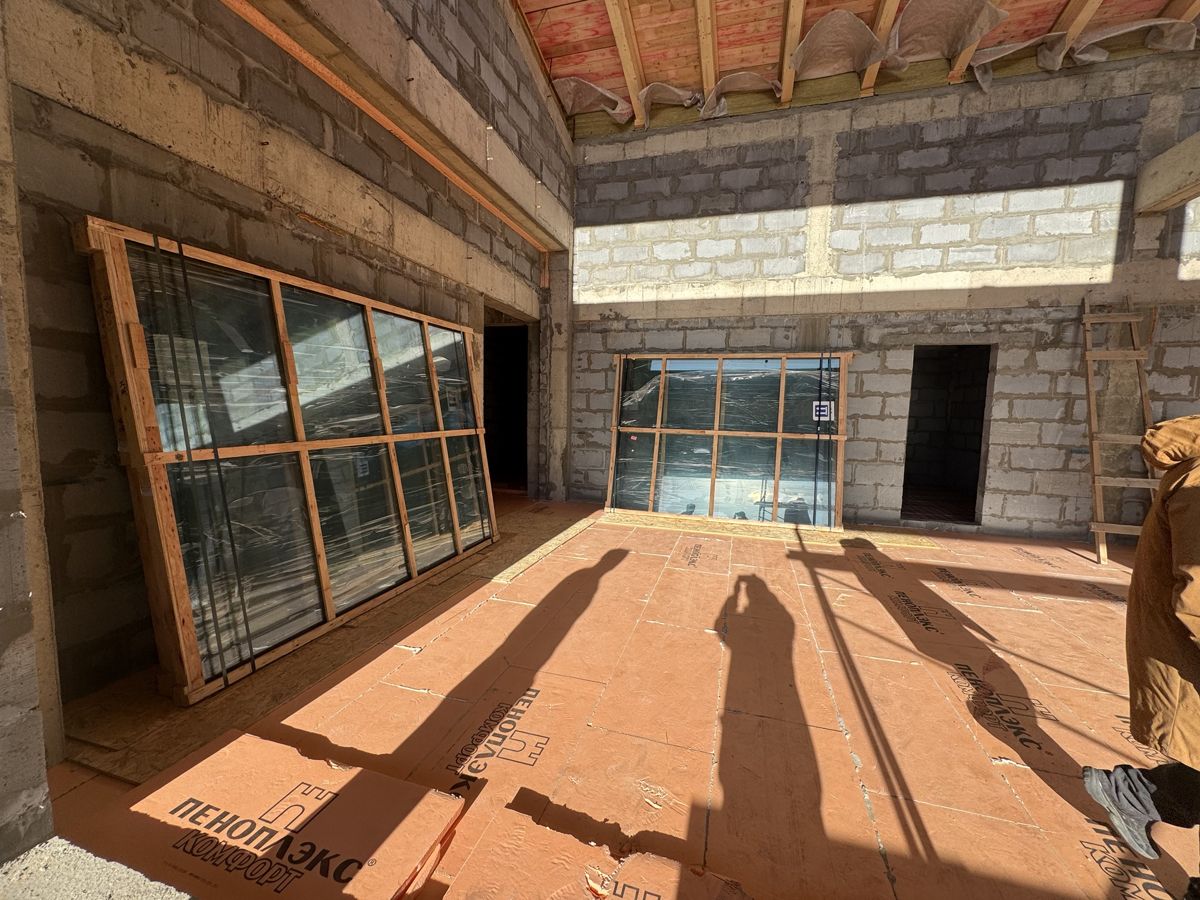
Packing is built for a long journey: every frame is wrapped in several layers of film with corner protection, large glazed units travel in plywood crates, and everything in the container is braced with straps and timber. Before shipment we send the client photos and videos of the loading.
One more plus: close to the port
The APRO factory is in Zhaoqing, Guangdong — relatively close to the loading port in Guangzhou. For windows and curtain walls this matters more than it seems: a shorter road from the workshop to the container terminal means fewer transfers, less shaking on the way and less risk of damaging glass units and frame corners before the cargo even reaches the sea. Local logistics in China also get cheaper and faster.
To be honest: APRO is a premium segment and costs more than mass-market aluminum systems. If the goal is the cheapest opening, there are simpler options. For a building meant to last decades, the difference is usually worth it.
How we work with APRO
We supply APRO windows, doors and façades from the factory in Guangdong worldwide: a quote to your drawings, one contract with our company in China, production control, photos and videos before every shipment, and export documents.
Latest delivery: how the windows arrived
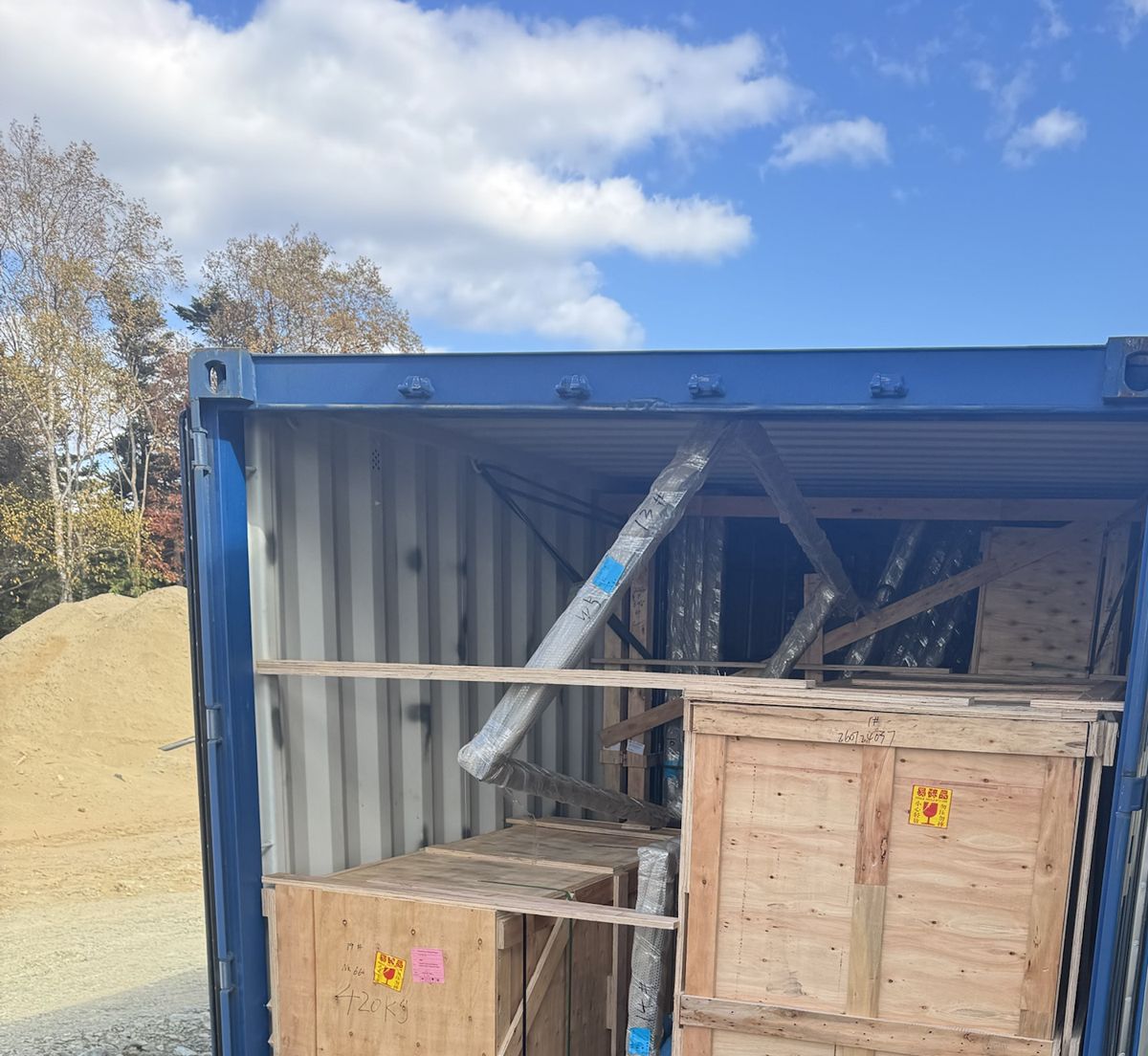
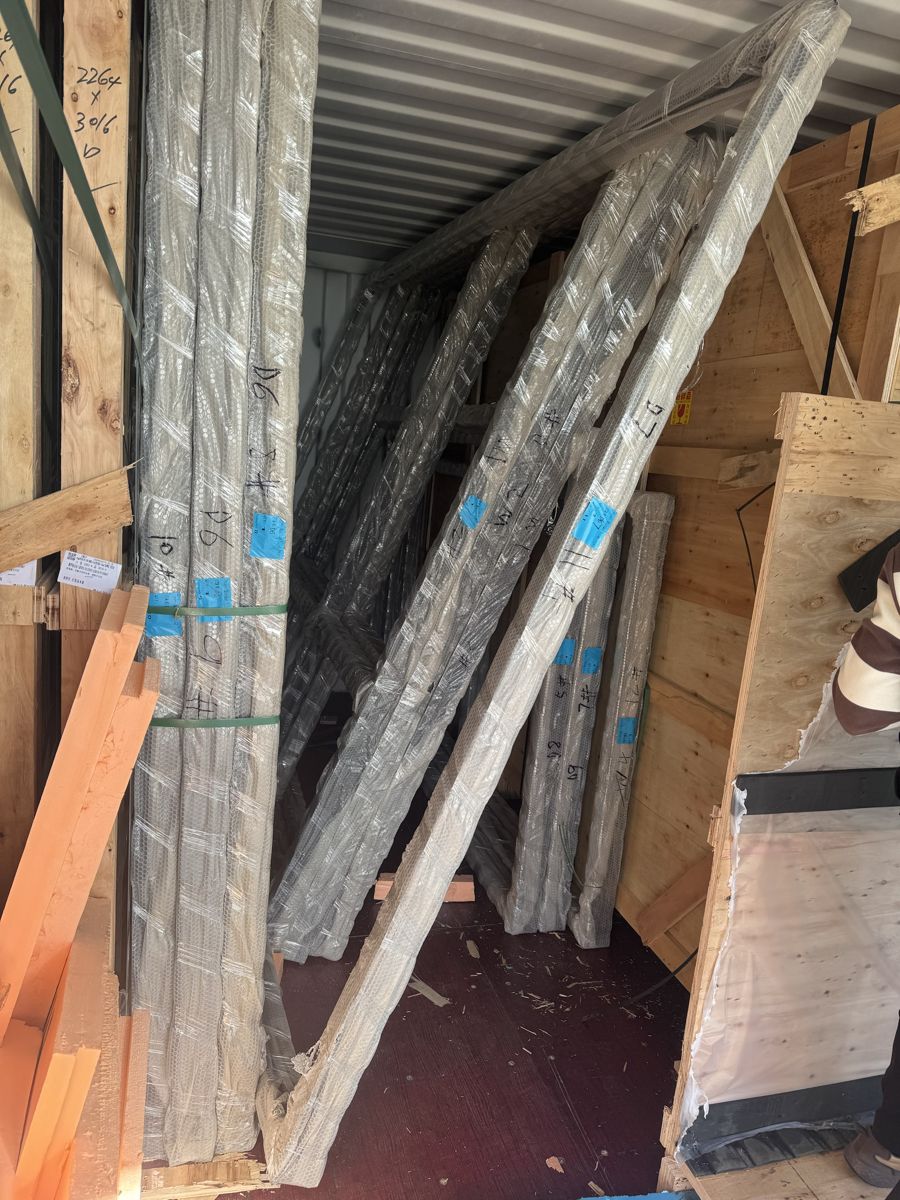
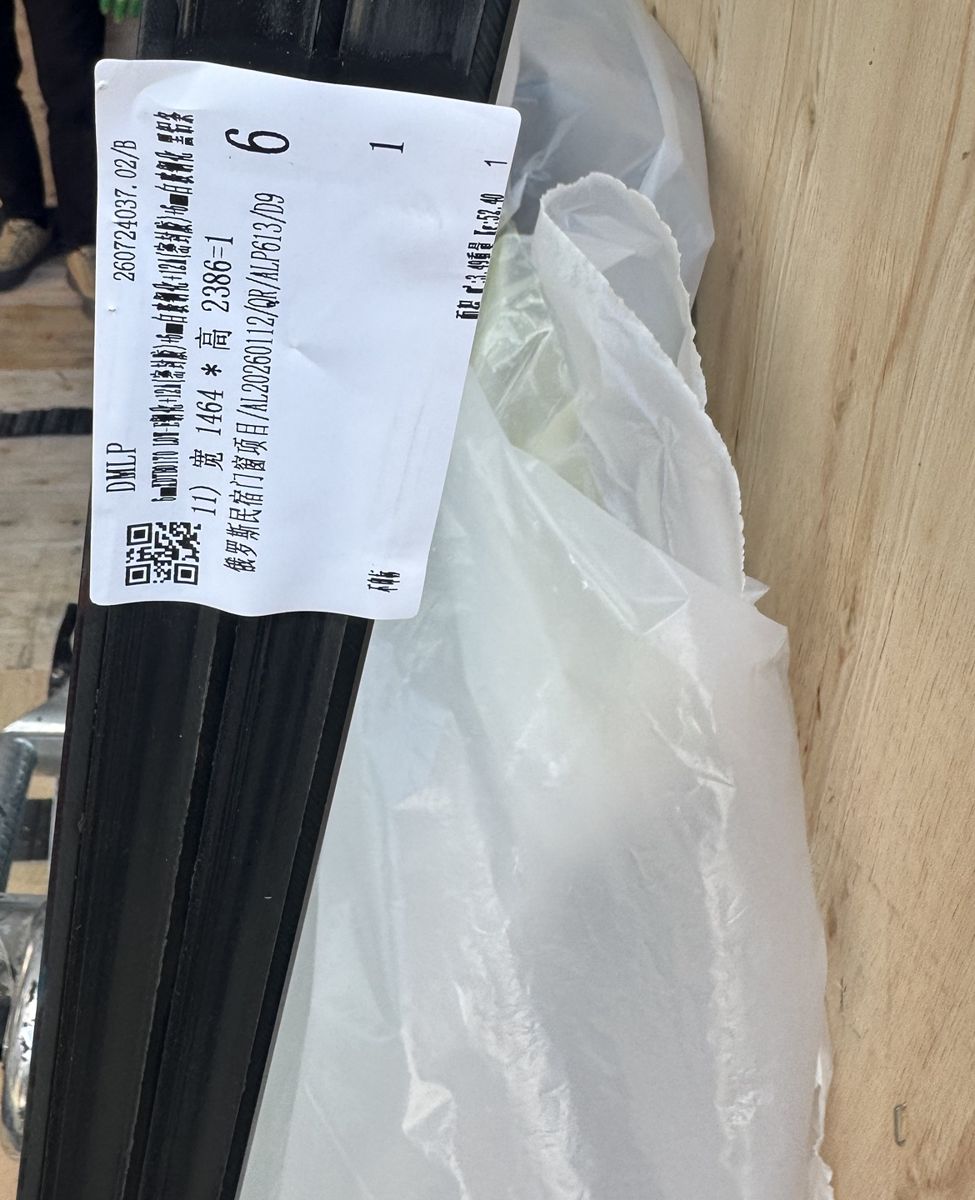
The best test of a factory is not its showroom but the condition the windows arrive in after the sea and the road. Here is our latest delivery: the container reached the site, glazed units in plywood crates, frames in multi-layer wrapping, and a label on every unit with its number, size and glazing build-up — so installers can place each window in its room straight away.
Bottom line
Out of eight factories I chose the one that works for the global market, knows both heat and frost, fits German hardware, stands behind its products for a decade and more — and sits close to the port. Many factories have one or two of these qualities; few have all four.
My advice, even if you do not work with us: when buying windows from China, look past the showroom and the price per square meter. Ask which market the factory works for, how its products are tested, which hardware will go into your batch and what the warranty actually says. These four questions screen out most problems before you pay.
APRO windows, doors & façades
Send drawings or a spec — we will quote the full order delivered to your port. Series, certificates and warranty are on the APRO page.