A client came to me after he had already bought an indoor children's playground in China and paid the deposit. He wanted to get it certified for Russia. The factory had finished production and was ready to ship — all that seemed to be left was paperwork. In reality, the problems were just beginning. Here is what went wrong — I have seen this situation more than once.
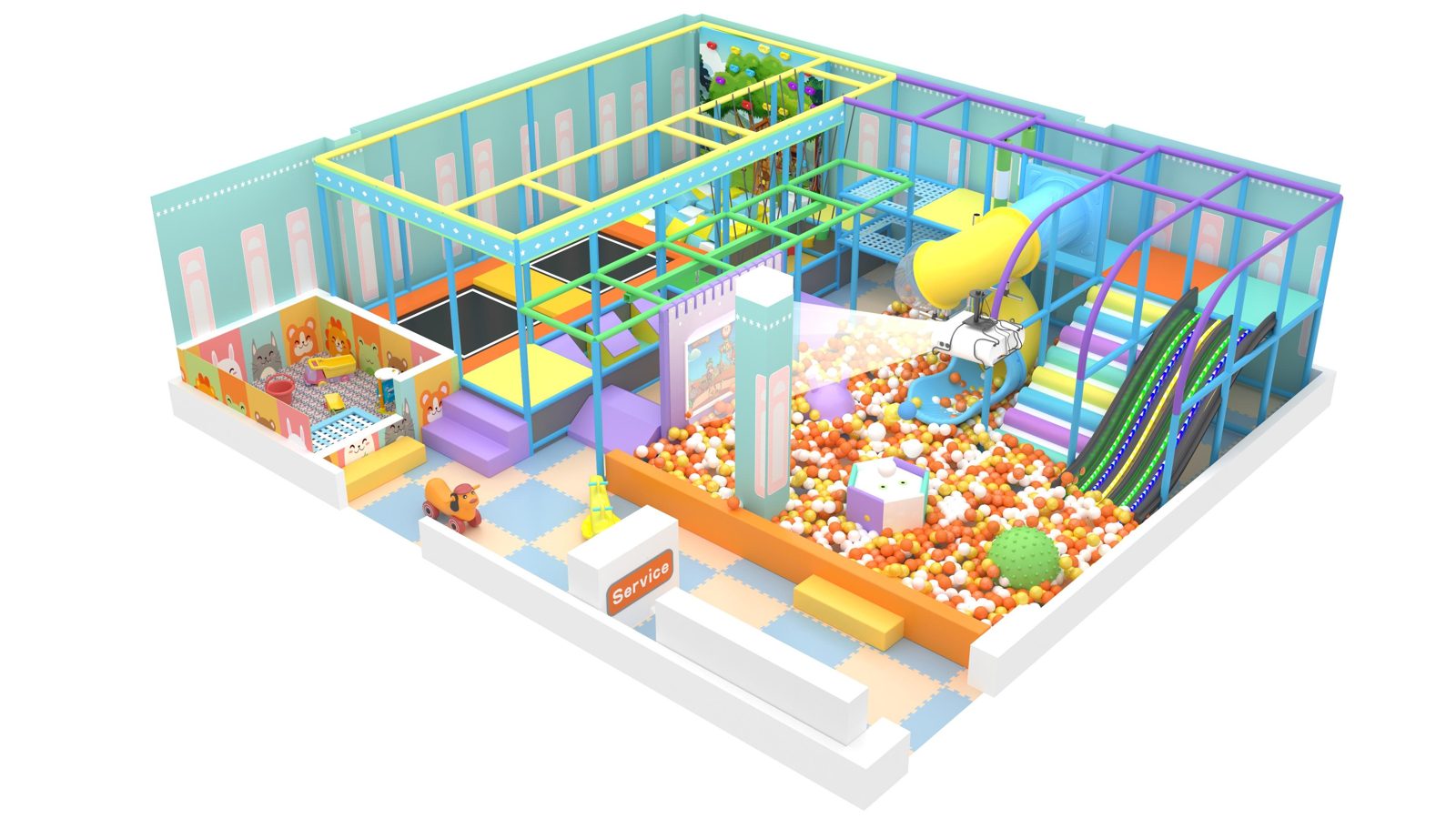
The key word is “children”
Products for children are the hardest to certify. The requirements are stricter, and a mistake costs more: a child's safety is at stake.
In Russia and the rest of the Eurasian Economic Union (EAEU), playground equipment falls under a dedicated technical regulation, TR EAEU 042/2017. A self-declaration is not enough — you need a certificate of conformity, issued by an accredited certification body only after laboratory testing. Testing covers structural strength, stability, fall zones, gaps where a child's head or finger could get trapped, materials and coatings.
Most countries have something similar: EN 1176 in Europe, ASTM standards in the US. The details differ, but the principle is the same — children's equipment must be tested for the market where it will be used.
A playground is not one product
In this case there was one more complication. For the buyer, a playground is a single purchase. For certification, it is several different products: the play structure, slides, ball pit, trampolines, climbing wall. Each has its own purpose and its own tests.
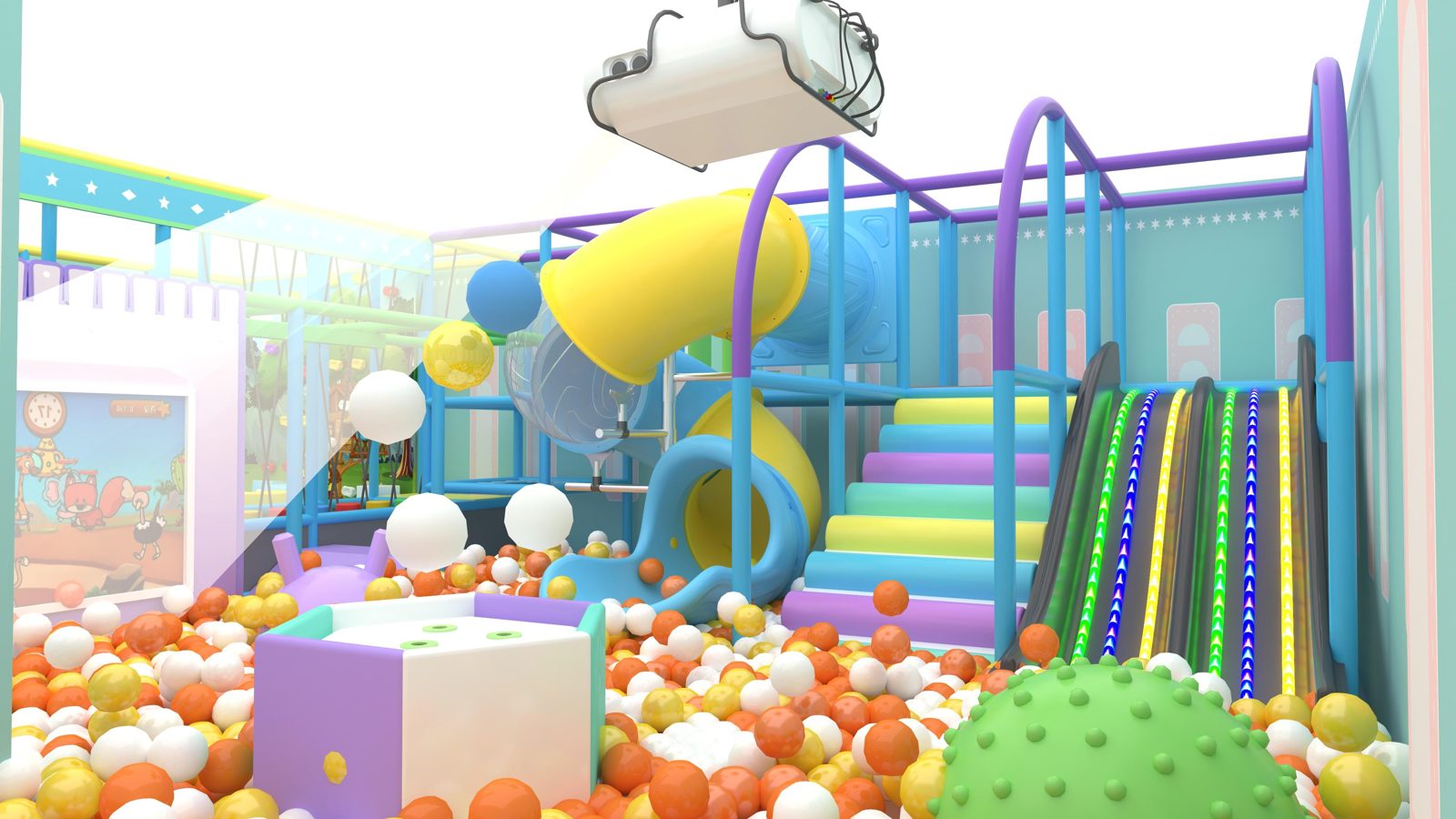
Each item has to be tested and certified separately, or grouped wisely. More items means more tests — so it takes longer and costs more.
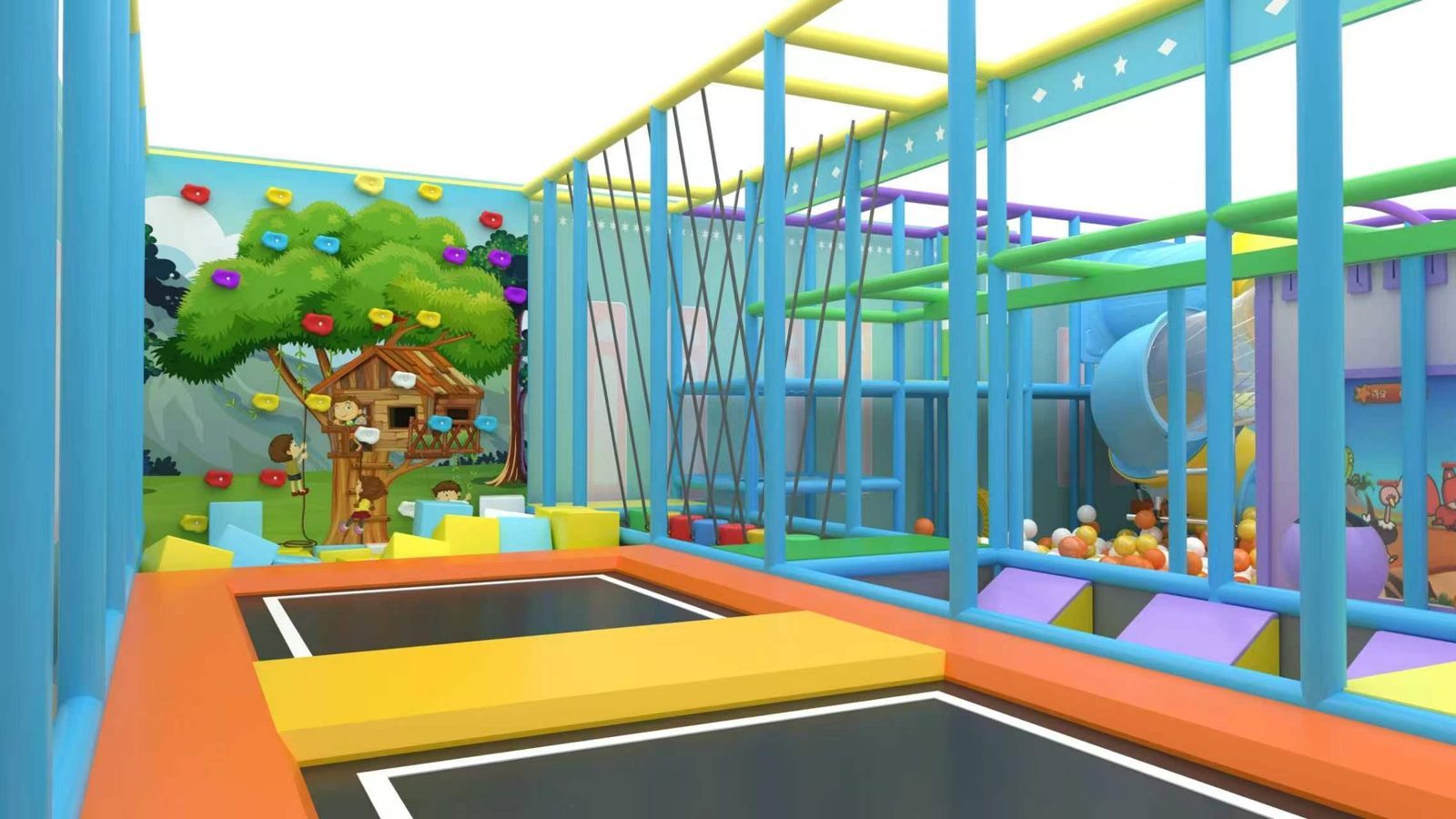
The result was predictable. The certification body declined and told the client plainly: this will be very expensive and very slow. Without a certificate, customs will not release the playground. And even if it did, no property manager, school or municipal customer would accept it. If a child gets hurt, “where is the certificate?” is the first question anyone will ask.
The second problem: how it was paid for
The client did not pay the factory directly. He paid in cash through a freight forwarder. So this was not a company-to-company (B2B) transaction with a bank transfer — it went around the system.
While the goods are in China, this looks convenient: fast and no paperwork. The trouble starts at the border.
Customs value
On import you pay duty and VAT, calculated on the customs value of the goods. The main method is the transaction value — what you actually paid. But the price has to be backed by documents: a contract, an invoice and proof of payment to the supplier.
Cash handed to a forwarder proves nothing. In theory customs may still accept the declaration, but it will most likely reject the declared price and use its own data on average prices for such goods. That figure is almost always higher than what you really paid. So duty and VAT are charged not on your price but on the price customs considers right — and the difference is on you.
Currency control
The amount was large, which brought in a second regulator: currency control. When a Russian company imports from a foreign supplier, its bank expects to see the money leave the country under the contract, by bank transfer. Large import contracts are registered with the bank, which checks that the goods and the payments match. Goods imported but no payment under the contract — and the bank and the authorities ask: where and how did you pay?
“We gave cash to the forwarder” is not an answer anyone accepts. Settling with a foreign supplier outside the banking system breaks currency rules, and the fine is a percentage of the transaction. On a large shipment it can be comparable to the price of the playground itself. Rules differ from country to country, but almost everywhere an import with no traceable payment raises questions.
How it ended
The client was trapped. The deposit was paid and could not be refunded: the factory had made the playground and was ready to ship. The money was effectively frozen in goods that could not be imported.
How did it happen? The factory's sales manager did everything to close the deal. He assured the client: “We have sold to Russia many times, there were never any problems.” Maybe so. In the past, certificates for such products were sometimes issued in other EAEU countries — occasionally “on paper”, without real testing.
That no longer works. Certification is now strictly supervised, and certificates issued without real tests are revoked. For children's playground equipment there is only one way: import samples and have them tested in an accredited laboratory.
For the client, that means doing everything in reverse order:
- First, ship samples of every item separately.
- Then wait for the tests and the certificate.
- Only then import the main shipment.
All this time the finished playground sits at the factory or in a warehouse. The factory presses to ship, and the season the end customer was counting on slips away.
The manager's “no problems” promise is worth nothing. It is not him but the buyer who answers for the certificate — at customs and to the end customer.
How to avoid this situation
This story is a typical mistake I see with clients who come to me after they have already paid. Certification and the payment route must be planned before the purchase, not after.
Before paying the factory:
- Don't take “we have sold to your country” on trust. Ask for the certificate number and check it in the official register of the destination country. For Russia and the EAEU it is the Rosaccreditation register at pub.fsa.gov.ru. If the certificate is not in the register, it does not exist. CE marks and ISO certificates in a factory brochure do not replace a certificate for your market.
- Find out whether certification is needed and what it will cost. For children's products it almost always is. I ask a certification body for a time and cost estimate before the client pays for the goods.
- See what the factory already has. Existing test reports, for playground equipment under the EN 1176 series, can shorten the way considerably.
- Think through the item list. Sometimes combining or replacing one item reduces the number of tests.
When paying:
- Pay under a contract, by bank transfer. Then you have every document to prove the price at customs, and no questions from your bank.
- Never hand cash for goods to third parties. It looks quick, but it can end in a revised customs value, a fine, and goods you cannot legally sell or install.
How we work
For clients outside Russia, the contract is signed with our own company in China, G-Revelation Technology (Dalian), the seller and licensed exporter. You pay its company accounts by bank transfer in USD or CNY, and we pay the factory. You receive the full set of export documents: contract, commercial invoice, packing list, bill of lading and certificate of origin — so the price is easy to prove at your customs.
If your market requires certificates or test reports, their cost is in our quote as a separate line. You know the full price up front, not when the goods are already in the warehouse.
Children's products and playground equipment
Message us before you pay the factory. We will check the factory's documents, find out what certification your market requires and quote the delivery to your port. It saves both money and nerves.